
“Shareholder Value Is No Longer Everything, Top C.E.O.s Say,” read the headline on the New York Times business page. Most readers probably just skimmed by, without taking much notice. It reminded me of the long-ago Times of London contest – to see who could write the dullest headline. The winner was, “Small Earthquake in Chile. Not many dead.”
But dull headline aside, this is undoubtedly the big economic news of the year. It will—gradually—change the way business operates. The Times’s “Top C.E.O.s” make up the Business Roundtable, comprising the heads of America’s leading companies. It’s the most powerful and prestigious group of business leaders in America. For decades its statement of corporate principles held that corporations exist principally to serve shareholders.
Milton Friedman, the Nobel Prize-winning economist and the guru of corporate America, put it this way, in a 1970 article that formed the bedrock of every argument about corporate purpose,
“There is one and only one social responsibility of business—to use its resources and engage in activities designed to increase its profits so long as it … engages in open and free competition without deception or fraud.”
Friedman’s dictum has for decades loomed over every business conversation about what the corporation owed society. Purists said, “Friedman says profits first and only.” Discussions of worker benefits, charity, environmentalism, relations with suppliers, all were overshadowed by Friedman.
No longer, according to America’s top business leaders. They announce that the corporation purpose has changed from serving shareholders to serving stakeholders, that is, customers, suppliers, workers, and communities, as well as shareholders.
Do they mean it? Undoubtedly they are influenced by the current anti-business rhetoric and animus showed by today’s talking heads and Democratic Presidential candidates. (more…)


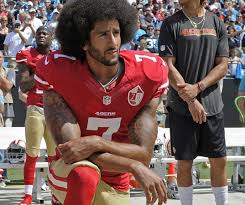




 This is a black day for ethics. A popular basketball star went back on his word, and leading sports journalists argued that it was just fine, he broke no written contract, it was his right to do what’s best for himself. Fans of the Los Angeles Clippers swallowed their ethical principles and cheered. Youngsters all over America—and beyond—got a wrong-way lesson in ethics: your commitments aren’t binding.
 Ethics Bob